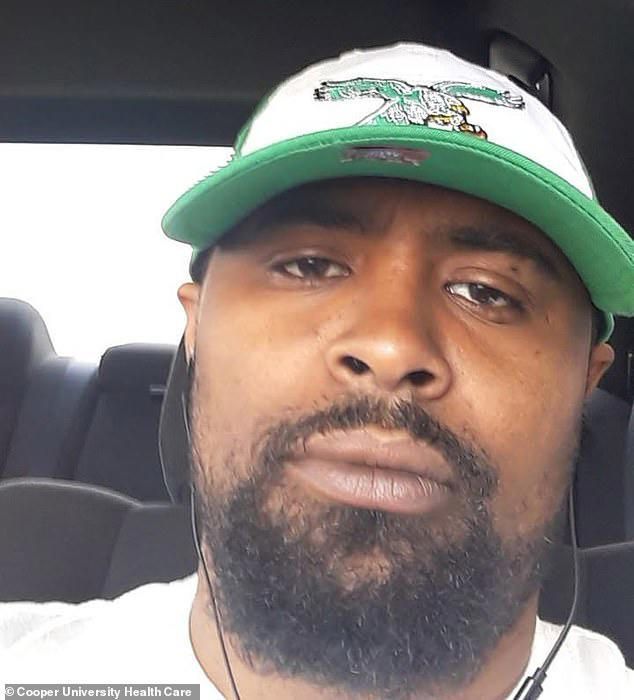
A Broken Ankle Should Not Be a Death Sentence: The Tragic Case of Dale Alice Martin

Ashley Mills • October 13, 2026

The story raises questions that go far beyond a single medical error. It highlights what can happen when medication management, patient monitoring, and hospital oversight allegedly break down at the same time.

When most people go to the emergency room with a broken ankle, they expect treatment, pain management, and a path toward recovery. No family expects that a routine injury will end in tragedy.

Yet according to a recently filed wrongful death lawsuit, that is exactly what happened to Dale Alice Martin, a 21-year-old college student who sought treatment for a fractured ankle at Waterbury Hospital in Connecticut. The allegations outlined in the lawsuit paint a troubling picture of potential overmedication, inadequate patient monitoring, and broader systemic issues within a struggling healthcare facility. [yahoo.com], [yahoo.com]


The Events Leading to the Hospital Visit

According to court filings, Martin suffered a complex ankle fracture while performing farm work in Connecticut in April 2025. She was transported to the nearest available hospital, Waterbury Hospital, for evaluation and pain management. At the time of her admission, she was reportedly alert, communicating with family members, and expected to undergo treatment for her injury. [yahoo.com], [yahoo.com]

Despite the severity of her pain, the injury itself was not believed to be life-threatening. Her family reportedly spoke with her that evening and believed she was stable, although uncomfortable. [yahoo.com]

Allegations of Excessive Pain Medication

The wrongful death lawsuit alleges that within approximately fourteen hours of admission, Martin was administered multiple opioid pain medications, including morphine, oxycodone, and other narcotics. According to the complaint, the combination of these medications suppressed her respiratory function and left her heavily sedated. [yahoo.com], [yahoo.com]

The lawsuit further alleges that as Martin's breathing slowed, she became incapable of calling for assistance because the medications were simultaneously impairing her breathing and sedating her. Her attorneys contend that she was effectively unable to advocate for herself as her condition deteriorated. [yahoo.com], [yahoo.com]

Ultimately, the family alleges that the excessive administration of narcotic medications resulted in respiratory depression and cardiac arrest. An autopsy reportedly determined that Martin died following cardiac arrest associated with multiple pain medications. [local12.com], [yahoo.com]


The Monitoring Question

Perhaps the most disturbing allegation in the lawsuit is not simply the medications themselves, but what allegedly happened afterward.

According to the complaint, no healthcare provider adequately checked on Martin while the medications were affecting her respiratory function. The lawsuit states that a nurse eventually discovered her after she had already suffered cardiac arrest. By that point, the damage was catastrophic. Martin was later declared brain dead and ultimately died after being removed from life support. [yahoo.com], [yahoo.com]

Monitoring patients who receive powerful opioid medications is a fundamental component of patient safety. Medical providers understand that narcotic pain medications can slow breathing and, in some circumstances, create life-threatening complications. Proper observation and timely intervention can often prevent tragic outcomes. The allegations in this case suggest that those safeguards may have failed. [yahoo.com], [yahoo.com]


Regulatory Findings Add Another Layer

The lawsuit also references findings from federal investigators.

According to reports citing a review by the Centers for Medicare & Medicaid Services (CMS), investigators found concerns regarding narcotic medication orders and the hospital's procedures for preventing unintended duplication of pain medications. One physician reportedly acknowledged that he should have specifically directed discontinuation of intravenous morphine before another opioid medication was administered. [hoodline.com], [yahoo.com]

While regulatory findings do not determine legal liability, they often become important evidence in medical malpractice litigation because they may reveal larger concerns about patient safety practices and institutional oversight. [hoodline.com], [yahoo.com]


Allegations of Systemic Hospital Problems

The lawsuit extends beyond individual healthcare providers and alleges broader operational failures.

At the time of Martin's treatment, Waterbury Hospital was owned by Prospect Medical Holdings, a healthcare company that had entered bankruptcy proceedings earlier in 2025. The family alleges that the hospital was experiencing significant financial and operational challenges that may have affected patient care. Reports connected to the lawsuit describe allegations of understaffing, resource shortages, and ongoing scrutiny from regulators. [hoodline.com], [local12.com]

The family's legal action names the hospital, healthcare providers involved in Martin's care, the Connecticut Spine and Disc Institute, and Prospect Medical Holdings as defendants. [hoodline.com], [yahoo.com]


Why This Case Matters

Cases involving medication errors are among the most serious forms of medical negligence. Patients trust healthcare professionals to administer medications safely, monitor for complications, and respond when warning signs appear.

When allegations involve both potential medication mismanagement and failures in patient monitoring, they raise concerns about whether established safety protocols were followed. They also highlight how systemic issues, including staffing shortages and organizational failures, can potentially affect patient outcomes. [hoodline.com], [local12.com]

Most importantly, this case serves as a heartbreaking reminder that even injuries considered routine can become life-threatening when patient safety systems fail.

Understanding Your Rights After Suspected Medical Negligence

When a patient suffers serious injury or death due to a potential medical error, families often face overwhelming grief alongside unanswered questions. Medical malpractice investigations can help determine whether healthcare providers met the applicable standard of care and whether preventable mistakes contributed to the outcome.

Obtaining medical records, consulting qualified experts, and conducting an independent review are often critical first steps in uncovering what happened and pursuing accountability.

Contact The Edmond Firm

If you believe a loved one has been injured or killed due to medical negligence, medication errors, or failures in patient monitoring, the attorneys at The Edmond Firm can help evaluate your case and explain your legal options.

Our team is committed to fighting for patients and families who deserve answers, accountability, and justice after preventable medical tragedies.


Contact The Edmond Firm today for a confidential consultation.


Disclaimer: The allegations discussed in this article originate from a pending lawsuit. All defendants are presumed not liable unless and until liability is established through settlement, trial, or other legal proceedings.


By Ashley Mills • October 23, 2026
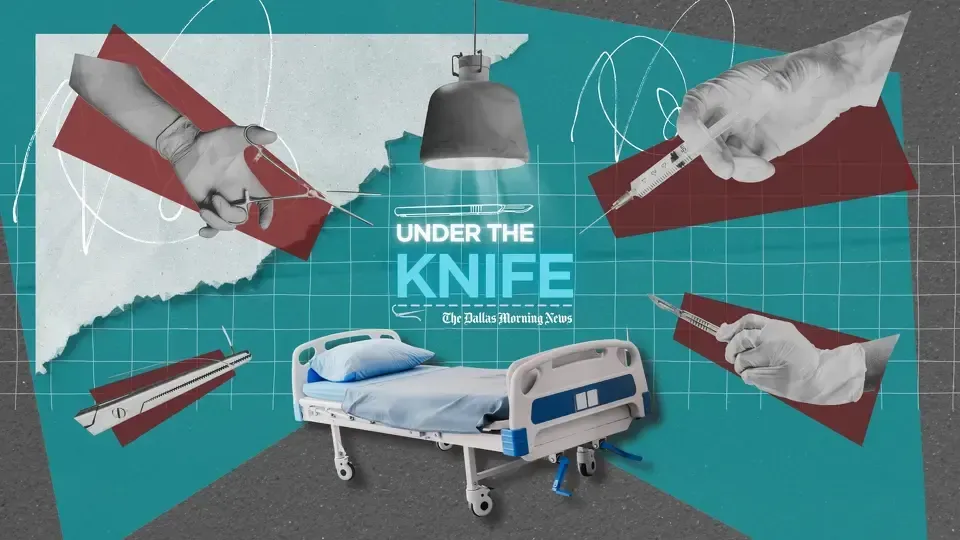
Every patient who enters an operating room places immense trust in their medical team. While surgery always carries known risks, there are certain mistakes that should never happen. Yet a recent investigation by The Dallas Morning News revealed that Texas hospitals continue to report hundreds of catastrophic surgical errors each year, including operations performed on the wrong patient, wrong-site surgeries, wrong procedures, and surgical instruments left inside patients. [In Texas,...ew options] These incidents are known in the medical community as “never events” because they are considered preventable and should not occur under properly followed safety protocols. Unfortunately, for many Texas families, these errors have resulted in devastating physical, emotional, and financial consequences. [In Texas,...ew options] What Is a “Never Event”? A never event is a serious, preventable medical mistake that causes significant patient harm. Examples include: Performing surgery on the wrong body part Operating on the wrong patient Performing the wrong procedure Leaving surgical instruments or materials inside a patient after surgery According to state reporting data highlighted in the investigation, Texas hospitals and surgical centers report approximately 200 never events annually in these categories alone. Patient safety advocates believe the actual number may be higher. [In Texas,...ew options] How Do These Errors Happen? Healthcare systems use numerous safeguards designed to prevent catastrophic mistakes. These include patient identification procedures, surgical site markings, pre-operative verification, and mandatory "time-outs" where the entire surgical team confirms the patient, procedure, and surgical site before an operation begins. [In Texas,...ew options] Yet experts interviewed in the investigation pointed to a concept known as the “Swiss Cheese Model.” This theory suggests that major errors occur when multiple safeguards fail at the same time, allowing a mistake to pass through every layer of protection. Communication breakdowns, staffing pressures, administrative errors, and organizational culture can all contribute to these failures. [In Texas,...ew options] The Human Cost Behind the Statistics The investigation shared several heartbreaking examples of patients whose lives were altered by surgical mistakes. Among them were: A woman who was mistakenly sterilized during a C-section after a communication failure regarding her treatment plan. [In Texas,...ew options] A patient who received a chemotherapy port intended for someone else. [In Texas,...ew options] A breast cancer patient whose surgeon removed a benign lesion instead of the cancerous tumor, allowing the cancer to progress. [In Texas,...ew options] A mother who later discovered a surgical needle had been left inside her body for years after a C-section. [In Texas,...ew options] These stories serve as painful reminders that medical errors often affect far more than a patient's physical health. Families may experience lost income, emotional trauma, additional surgeries, prolonged recovery, and a loss of trust in the healthcare system. [In Texas,...ew options] Why Accountability Matters Medical professionals generally agree that patient safety improves when healthcare organizations openly identify errors, investigate what went wrong, and implement changes to prevent future incidents. Transparency and accountability are essential components of patient protection. [In Texas,...ew options] For injured patients, accountability may also come through the legal system. Medical malpractice claims can help victims recover damages for medical expenses, lost wages, future care needs, and other losses caused by preventable mistakes. However, Texas law places significant limitations on certain types of damages in medical malpractice cases, which can create additional challenges for injured patients seeking justice. [In Texas,...ew options] What Patients Should Do If They Suspect a Surgical Error If you believe a surgical mistake may have occurred, taking prompt action is important. Consider: Requesting copies of all medical records. Seeking a second medical opinion. Documenting symptoms, treatments, and expenses. Preserving any correspondence from healthcare providers. Speaking with an experienced medical malpractice attorney as soon as possible. Every situation is unique, and an attorney can help evaluate whether the facts support a claim under Texas law. The Edmond Firm Is Here to Help When preventable medical mistakes cause injury, patients deserve answers. While no legal action can undo the harm caused by a surgical error, pursuing accountability can help families recover financially and encourage safer practices that protect future patients. At The Edmond Firm , we believe healthcare providers should be held accountable when avoidable mistakes cause serious harm. If you or a loved one has suffered an injury due to a surgical error, our team is available to review your case and discuss your legal options. Contact The Edmond Firm today for a free consultation and learn how we can help you protect your rights and pursue the compensation you deserve. Source: Emily Brindley, “Wrong operation, wrong patient: Hundreds of Texans suffer extreme surgery errors with little recourse,” The Dallas Morning News, October 20, 2026.
malpractice attorney
September 25, 2026
Learn how a malpractice attorney can help with medication error claims, including negligence, causation, damages, evidence, and legal deadlines.
medical malpractice lawyers
September 23, 2026
Missed warning signs during delivery may lead to serious birth injuries. Find out how medical malpractice lawyers examine whether care fell short.
By Ashley Mills • August 31, 2026
Wrong Drug Injected Into Patients’ Spines: Nashville Hospital Medication Error Injures Four Patients preparing for joint-replacement surgery place extraordinary trust in their healthcare providers. They expect the medications selected, prepared, labeled, verified, and administered during their procedures to be correct. On August 14, 2026, that system reportedly failed at Ascension Saint Thomas Hospital Midtown in Nashville. According to the hospital, four patients scheduled for joint-replacement procedures mistakenly received potassium phosphate instead of mepivacaine, the anesthetic intended for their spinal injections. All four patients experienced adverse health reactions. One publicly identified patient, 72-year-old Glenda Dorton, was reportedly left unable to feel or move her body from the chest down. The hospital has acknowledged that a medication error occurred in its pharmacy, apologized for the resulting harm, and announced several corrective measures. State and federal regulators have reviewed the incident, and the Tennessee Bureau of Investigation opened an investigation following a referral from the Tennessee Health Facilities Commission. For patients and families, this case raises a critical question: How can the wrong medication pass through multiple layers of a hospital’s safety system and reach a patient’s spine? What Happened at Ascension Saint Thomas Midtown? Seven patients were reportedly scheduled for joint-replacement surgery at Ascension Saint Thomas Midtown on August 14. The hospital later confirmed that four of those patients received the wrong medication. Instead of receiving mepivacaine, a local anesthetic used to block pain, the patients were administered potassium phosphate. The medication was reportedly delivered through spinal injections as part of their surgical care. Ascension described the event as an isolated pharmacy medication error and stated that a comprehensive review determined that no additional patients were affected. The hospital also confirmed that the four patients experienced adverse reactions and received immediate medical treatment. One Patient Reportedly Awoke Unable to Move Glenda Dorton, a 72-year-old woman from Centerville, Tennessee, was undergoing knee-replacement surgery when she allegedly received the incorrect medication. According to statements her family provided to news organizations, the procedure initially appeared to have gone as expected. When Dorton awakened, however, she reportedly could not feel or move anything from approximately her chest—or sternum—down. She was transferred to another Ascension facility, where physicians reportedly performed an emergency procedure to drain her spinal fluid. She was also placed on a ventilator. Her family reported that she was diagnosed with a spinal cord injury around the T6 level. The hospital has acknowledged that four patients were harmed but has not publicly confirmed the individual patients’ diagnoses or long-term prognoses. Public information concerning the conditions of the other three patients remains limited. Why Is a Medication Error Involving the Spine So Dangerous? Spinal anesthesia involves placing medication near the nerves responsible for sensation and movement. Because the medication is delivered into a highly sensitive area, accuracy is essential. Mepivacaine and potassium phosphate are not interchangeable. Mepivacaine is a local anesthetic intended to interrupt nerve signals and control pain during certain procedures. Potassium phosphate is generally used to treat or prevent low phosphate levels under carefully controlled medical circumstances. When an unintended substance is introduced into or around the spinal space, it may damage neural tissue and disrupt the functions controlled by the spinal cord. Potential consequences may include: Severe neurological injury Loss of sensation Partial or complete paralysis Respiratory complications Loss of bowel or bladder function Chronic pain Reduced mobility Loss of independence The need for lifelong rehabilitation or supportive care The severity and permanence of an injury depend on multiple factors, including the substance involved, its concentration and dosage, the injection site, the patient’s condition, and how quickly the error is recognized and treated. The Hospital Acknowledged a Pharmacy Error Ascension Saint Thomas stated that its review traced the mistake to an event within the hospital pharmacy. Its public statement identified potassium phosphate as the medication mistakenly supplied in place of mepivacaine. The hospital apologized to the patients and families and said its clinical teams were continuing to provide dedicated care. Ascension also stated that it self-reported the incident to state regulators after identifying the error. The hospital subsequently announced several changes to its pharmacy and medication-safety procedures. Those measures reportedly include: Separating and distinctly marking high-alert medications Creating mandatory “hard stop” procedures when a spinal-medication scan produces an alert Requiring escalation and independent verification before proceeding Requiring a second trained pharmacist to conduct final visual and physical checks Engaging outside quality experts to review and validate the corrective-action plan These safeguards are important because serious medication errors rarely result from a single isolated action. They may involve breakdowns in storage, selection, labeling, scanning, verification, communication, or administration. How Do Wrong-Drug Errors Reach Patients? Hospitals generally use several layers of protection to prevent medication errors. A medication may pass through prescribing, pharmacy preparation, labeling, dispensing, transportation, storage, scanning, verification, and administration before it reaches a patient. An error at any one stage should ideally be caught at another. When the wrong medication is administered, investigators may need to determine whether multiple defenses failed. Potential contributing issues may include: Similar packaging or labeling Medications stored too closely together Incorrect selection from pharmacy inventory Improper preparation or compounding Incomplete or inaccurate labeling Barcode-scanning failures or overridden alerts Failure to perform an independent double-check Communication breakdowns between pharmacy and clinical teams Inadequate staffing or excessive workload Insufficient training or supervision Policies that existed on paper but were not consistently followed Technology that failed to distinguish between incompatible medications A meaningful investigation should examine the entire medication-use system—not simply identify the last person who handled the drug. Why “High-Alert” Medication Safeguards Matter Some medications present an elevated risk of catastrophic harm if they are selected or administered incorrectly. Hospitals may designate these drugs as high-alert medications and implement additional safeguards around their storage and use. Those protections can include physical separation, distinctive warning labels, restricted access, barcode verification, electronic alerts, and mandatory review by a second qualified professional. Ascension’s decision to implement isolated storage and independent dual verification after the incident suggests that these safeguards are central to preventing a similar event. However, determining exactly why the existing system failed will require reviewing the conditions and procedures in place before the four patients were injured. Corrective action after an error is essential. It does not erase the harm already suffered or answer whether reasonable precautions could have prevented it. State and Federal Authorities Are Reviewing the Incident The Tennessee Bureau of Investigation opened an investigation after receiving information from the Tennessee Health Facilities Commission. News reports indicate that the investigation remains active. Ascension has also received a survey report from the Centers for Medicare & Medicaid Services concerning the pharmacy event. The hospital said it is cooperating with state and federal surveyors and takes the findings seriously. An investigation does not, by itself, establish criminal or civil liability. The legal system distinguishes among an unintended mistake, professional negligence, reckless conduct, and an institutional failure to maintain adequate safety systems. No criminal charges had been publicly announced at the time of publication. Is a Hospital Responsible for a Pharmacy Medication Error? A hospital may potentially be held legally responsible when the negligence of its employees, pharmacy personnel, policies, technology, or medication-management systems causes a patient’s injury. Depending on the facts and applicable law, responsibility may involve: The hospital or healthcare system A hospital pharmacy Pharmacists or pharmacy technicians Nurses or other clinical personnel Physicians or anesthesia providers Outside medication suppliers Drug-packaging or labeling companies Technology vendors responsible for defective safety systems The existence of a serious injury does not automatically prove medical malpractice. A successful claim generally requires evidence that a healthcare provider or institution failed to meet the applicable standard of care and that the failure caused or substantially contributed to the patient’s injuries. When a hospital has already acknowledged that the wrong medication was administered, major questions may remain regarding causation, institutional responsibility, the extent of each patient’s injuries, and the compensation necessary to address their future needs. The True Cost of a Catastrophic Medication Error The consequences of paralysis or a serious spinal cord injury extend far beyond the initial hospitalization. An injured patient may require: Emergency and intensive care Additional surgeries Inpatient rehabilitation Physical and occupational therapy Respiratory support Mobility equipment Home and vehicle modifications In-home nursing or attendant care Treatment for chronic pain Psychological support Assistance with daily activities Ongoing medical monitoring Replacement of lost income Long-term or lifetime care A catastrophic-injury case must evaluate not only the bills a patient has already received but also the medical, financial, and personal impact the injury is expected to have over the remainder of the patient’s life. That evaluation may require testimony from physicians, rehabilitation specialists, life-care planners, economists, vocational experts, and other qualified professionals. What Should Families Do After a Suspected Medication Error? Families may receive incomplete or changing information immediately after a serious medical event. Hospitals may conduct internal investigations, but patients should not assume that an internal review will preserve every fact necessary for an independent legal claim. Patients and families should consider taking the following steps: Request complete medical and pharmacy records Preserve medication lists and discharge instructions Document what healthcare providers said about the error Write down a detailed timeline while events remain fresh Save photographs, videos, bills, and correspondence Identify family members or other witnesses who were present Avoid signing releases without understanding their effect Consult an experienced medical-malpractice attorney promptly Evidence may include pharmacy records, medication-administration records, barcode scans, electronic alerts, surveillance footage, staffing information, internal policies, incident reports, and communications among pharmacy, nursing, surgical, and anesthesia personnel. Some of that evidence may not remain available indefinitely. What This Nashville Case Means for Georgia Patients Although this incident occurred in Tennessee, medication errors can occur in hospitals, pharmacies, surgical centers, nursing facilities, and clinics throughout Georgia. Georgia medical-malpractice claims are governed by specific procedural rules and filing deadlines. They may also require qualified expert review before a lawsuit can proceed. When a medication error produces paralysis, neurological damage, respiratory failure, or another catastrophic injury, early investigation is critical. The central questions may include: What medication was ordered? What medication was prepared and dispensed? How was it labeled and stored? Were barcode warnings generated? Were any warnings ignored or overridden? Was an independent verification required? Who had responsibility at each stage? When was the error discovered? Could earlier intervention have reduced the harm? What care will the patient require in the future? Answers to those questions can reveal whether an individual mistake, a defective process, or a broader institutional failure caused the patient’s injuries. Patient Safety Requires More Than an Apology Ascension’s apology and corrective measures acknowledge the seriousness of what occurred. But for patients living with potentially permanent injuries, an apology cannot restore mobility, independence, health, or peace of mind. Hospitals have a responsibility to build medication systems that anticipate human error and prevent a single mistake from reaching a patient. When those systems fail, accountability matters—not only for the people harmed, but also for every patient who enters a hospital expecting safe care. Injured by a Medication Error? Contact The Edmond Firm If you or someone you love suffered paralysis, neurological damage, respiratory failure, or another serious injury because the wrong medication was administered, you deserve a clear explanation of what happened. The Edmond Firm brings extensive legal experience and meaningful medical insight to complex medical-malpractice and catastrophic-injury cases. We examine the complete chain of care, identify the individuals and institutions responsible, consult qualified experts, and pursue the compensation our clients need to move forward. Contact The Edmond Firm to request a confidential case review at no cost. Attorney’s fees are collected only if compensation is recovered, subject to the terms of the representation agreement. When negligence occurs, “I’m sorry” is not enough. This article is provided for general informational purposes only and does not constitute legal or medical advice. Results depend on the facts and law applicable to each case. Reading this article or contacting the firm does not create an attorney-client relationship.
By Ashley Mills • August 31, 2026
Hospital Allegedly Dismissed Father’s Asthma Emergency Before His Death
malpractice attorneys
August 19, 2026
Understanding the timeline of a malpractice case isn't always straightforward. Join your local malpractice attorneys as we walk through the process with you!
medical malpractice lawyers
July 22, 2026
Medical malpractice lawyers face shifting legal strategies and rising insurance costs as nuclear verdicts dramatically reshape claims.
By Ashley Mills • July 14, 2026
Injured in a commercial trucking accident in Atlanta or elsewhere in Georgia? Learn who may be responsible, what evidence matters, and how The Edmond Firm can help.
By Ashley Mills • June 23, 2026
You'll find The Edmond Firm where medicine meets the law.
malpractice law
June 18, 2026
Ultimately, proficiency in malpractice law provides clients with the advocacy necessary to challenge powerful medical institutions and insurance corporations.